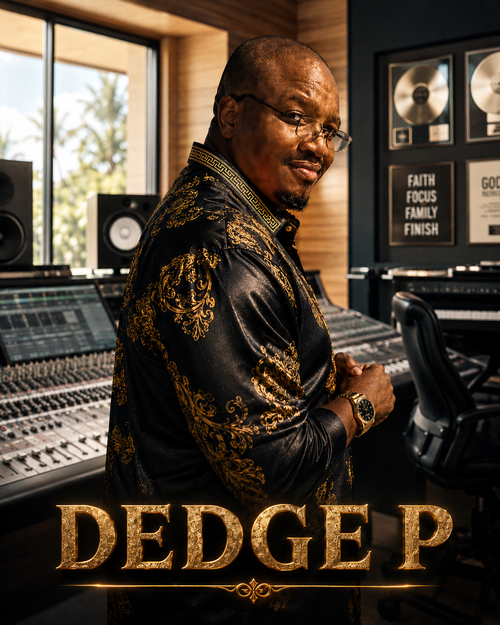
The image of a million-dollar recording studio filled with platinum plaques, vintage microphones, massive mixing consoles and celebrity artists has long represented success in the music industry.
Those legendary commercial facilities remain important.
They provide specialized rooms, experienced staff, premium equipment and decades of recording history.
They no longer define every place where professional music is created.
Across California, a new generation of independent recording studios has become one of the strongest forces supporting West Coast hip-hop.
From Los Angeles and Long Beach to Oakland, Sacramento, San Diego and the Inland Empire, independent studios function as creative hubs where artists develop their voices, producers test new ideas and engineers transform raw performances into finished recordings.
Many operate from converted garages, private homes, warehouse units, office suites and modest commercial spaces.
They may not contain enormous live rooms or walls covered with gold records.
The strongest facilities still provide what developing artists need most:
Reliable equipment.
Experienced guidance.
Creative comfort.
Professional recording standards.
Access to a community of producers, engineers and other artists.
The modern West Coast movement is increasingly being built inside these smaller, specialized environments.
Independent studios are not replacing every major commercial facility.
They are expanding who can create professional music, where that work can happen and how artists develop before larger opportunities arrive.
Key Takeaways
- Affordable digital recording technology has lowered the cost of building professional independent studios.
- Independent studios provide emerging artists with flexible rates, specialized attention and repeat access.
- California cities develop different recording cultures based on local artists, producers and economic conditions.
- Modern producers often contribute songwriting, arrangement, vocal direction and artist development in addition to beats.
- Recording engineers shape vocal tone, clarity, editing, dynamics and translation across listening systems.
- Home studios frequently support songwriting and demos before final recording, mixing or mastering occurs elsewhere.
- Independent studios function as networking hubs connecting artists with producers, photographers, directors and managers.
- Affordable equipment does not eliminate the need for acoustic treatment, technical skill and professional judgment.
- Cloud collaboration and remote file exchange allow California studios to work together across regional distances.
The Definition of a Professional Studio Has Changed
A professional studio was once identified primarily by its size, equipment inventory and relationship with major record companies.
Large-format consoles, expensive tape machines, multiple live rooms and extensive microphone collections separated commercial facilities from personal recording spaces.
Those resources still provide important advantages.
Professional quality is no longer determined by equipment cost alone.
A smaller studio can produce commercially competitive recordings when it combines:
- Accurate monitoring
- Appropriate acoustic treatment
- Reliable recording equipment
- Experienced engineering
- Organized session management
- Strong artist communication
- Consistent quality control
The modern definition of professionalism is based increasingly on results.
Does the vocal sound clear?
Does the mix translate?
Are the files organized?
Does the artist feel prepared and comfortable?
Can the studio deliver finished work consistently?
The rise of independent studios proves that professional recording is defined less by room size than by skill, standards and the quality of the finished music.
Small Studios Can Offer Specialized Expertise
Large commercial studios often serve several genres, production styles and client types.
Independent studios may develop narrower specialties.
One facility may become known for aggressive rap vocals.
Another may focus on melodic hip-hop and R&B.
A producer-owned studio may specialize in building songs from the earliest writing stage.
An engineer-owned room may attract artists who already have instrumentals but need polished vocal production and mixing.
Specialization can become a competitive advantage.
Artists often prefer a studio whose team already understands their sound, audience and creative goals.
Privacy Has Become Part of the Value
Independent facilities frequently provide greater privacy than busy commercial studios.
Artists may work without encountering unrelated clients, large staff groups or constant activity in shared hallways.
This can be especially valuable during:
- Early songwriting
- Personal vocal performances
- Unreleased album development
- Artist coaching
- Experimental sessions
Creative privacy allows artists to make mistakes and revise ideas before the public or industry partners hear them.
Repeated Access Supports Artist Development
One expensive session may produce a finished song.
Repeated sessions build an artist.
Developing performers need opportunities to improve:
- Microphone technique
- Breath control
- Timing
- Layering
- Ad-libs
- Song structure
- Session preparation
- Listening judgment
Independent studios often create long-term relationships that make this repetition financially and creatively possible.
An engineer who records the same artist regularly begins understanding the performer’s habits, strengths and weaknesses.
That familiarity can shorten sessions and improve results.
Technology Changed Everything
Twenty years ago, building a professional recording system could require a substantial investment in hardware, wiring, storage and maintenance.
Digital technology changed the economics of recording.
Modern studios can operate with powerful computers, digital audio workstations, compact interfaces and carefully selected microphones while achieving results suitable for commercial release.
Important tools have become more accessible, including:
- High-quality microphone preamps
- Low-noise audio interfaces
- Professional digital audio workstations
- Software instruments
- Audio-editing tools
- Mixing plug-ins
- Virtual routing systems
- Cloud storage
- Remote collaboration platforms
This accessibility allowed engineers and producers to build studios without waiting for major-label financing.
It also increased competition.
Artists now have more recording options, which means studios must compete through quality, service, identity and reputation.
Digital Audio Workstations Replaced Large Hardware Systems
Digital audio workstations consolidated recording, editing, sequencing and mixing into one environment.
Tasks that once required separate machines can now be completed inside software.
An engineer can record vocals, edit timing, organize takes, automate effects and prepare mix stems from one session.
This reduces equipment costs and allows smaller rooms to handle complex productions.
The technology does not make every decision automatically.
The engineer still needs to understand signal flow, gain structure, editing and arrangement.
Software Expanded Creative Possibilities
Software instruments and effects give independent studios access to sounds that once required large hardware collections.
Producers can work with:
- Synthesizers
- Sample libraries
- Drum machines
- Virtual instruments
- Amplifier simulations
- Pitch correction
- Time-based effects
- Dynamic processors
These tools allow experimentation without requiring every sound source to exist physically inside the room.
The challenge is no longer obtaining sounds.
It is selecting and shaping them effectively.
Affordable Equipment Expanded Access
High-quality microphones, headphones, monitors and audio interfaces are available at several price levels.
This allows producers and engineers to build systems gradually.
A small studio may begin with one reliable vocal microphone, one interface and one monitoring setup.
Revenue from sessions can later support upgrades.
This incremental development reflects the independent music model more broadly.
Studios can grow through reinvestment rather than large outside funding.
Equipment Alone Does Not Create Professional Results
Access to technology has created more studios, but it has also created misunderstanding.
Owning a microphone and software does not automatically make a room professional.
Quality still depends on:
- Room acoustics
- Microphone placement
- Gain staging
- Performance direction
- Editing judgment
- Monitoring accuracy
- Mixing experience
An experienced engineer with modest equipment can outperform an inexperienced operator using more expensive tools.
Acoustic Treatment Remains Essential
Recording rooms interact with sound.
Hard walls create reflections.
Small spaces can exaggerate certain bass frequencies.
Untreated corners may allow low-frequency buildup.
These problems affect both recording and mixing.
Useful treatment may include:
- Broadband absorption
- Bass trapping
- Reflection control
- Isolation where practical
- Careful monitor placement
Decorative foam alone does not solve every acoustic issue.
Professional rooms require treatment appropriate to their size and purpose.
Monitoring Accuracy Shapes Every Decision
Engineers make decisions based on what they hear.
If the monitoring system exaggerates bass, the final mix may sound weak elsewhere.
If the room hides harsh frequencies, the mix may become uncomfortable on headphones or in vehicles.
Independent studios improve consistency by using:
- Reliable monitors
- Reference headphones
- Known commercial songs
- Car listening tests
- Multiple playback systems
The goal is not to make every system sound identical.
The goal is to create a mix that translates predictably.
Cloud Storage Changed Session Management
Large audio sessions can now be stored, shared and backed up remotely.
Artists can receive reference mixes without visiting the studio again.
Engineers can transfer stems to outside mixers or mastering engineers.
Cloud systems also reduce the risk of losing an entire project when one computer or drive fails.
Professional studios should still maintain multiple backups.
One cloud folder is not a complete preservation strategy.
Remote Collaboration Expanded the Studio’s Reach
An independent California studio no longer needs every contributor to be physically present.
A producer in Oakland can send stems to Los Angeles.
An artist in San Diego can record additional vocals.
A Sacramento engineer can complete the mix.
This creates broader creative networks while allowing each participant to work from a familiar environment.
Every City Has Its Own Recording Culture
California's independent studio ecosystem is shaped by geography as much as technology.
Every major region has developed its own creative environment, influenced by local artists, producers, engineers and audiences.
Those differences help explain why California continues producing such a wide range of hip-hop.
Rather than one unified sound, the state functions as a collection of interconnected creative communities.
Los Angeles
Los Angeles remains one of the world's busiest recording centers.
Independent studios throughout the city serve established artists, developing musicians and producers working across multiple genres.
Because so many creative professionals live nearby, artists often have access to photographers, directors, stylists, managers and engineers within the same network.
That concentration of talent encourages rapid collaboration and constant experimentation.
The Bay Area
Northern California has long embraced independent entrepreneurship.
Studios throughout Oakland and the surrounding Bay Area frequently emphasize ownership, local identity and creative freedom.
Many producers develop distinctive sounds that reflect regional musical traditions while remaining open to experimentation.
The area's entrepreneurial mindset also encourages artists to learn recording, production and business skills simultaneously.
Sacramento
Sacramento continues developing a growing community of lyricists, producers and recording engineers.
Independent studios often become gathering places where artists refine songwriting, strengthen performances and develop long-term creative partnerships.
Because the local scene remains tightly connected, relationships often become as valuable as equipment.
San Diego
Southern California's recording culture extends well beyond Los Angeles.
San Diego studios regularly blend regional influences with modern production techniques, contributing another distinct voice to California hip-hop.
The city's proximity to Los Angeles also creates opportunities for collaboration without requiring artists to relocate.
The Inland Empire
The Inland Empire has become increasingly important as independent music continues expanding.
Many artists seek affordable recording environments while remaining connected to Southern California's broader music industry.
Studios throughout the region continue helping emerging artists develop before larger audiences discover them.
Independent Studios Support Artist Development
Recording songs represents only one part of artist development.
The strongest studios also help musicians improve professionally over time.
Experienced producers and engineers frequently guide artists through:
- Song arrangement
- Vocal coaching
- Performance consistency
- Microphone technique
- Studio etiquette
- Session preparation
- Creative decision-making
These improvements accumulate gradually.
One session rarely transforms an artist.
Years of consistent work often do.
Producers Have Become Creative Partners
The modern producer frequently contributes far more than instrumentals.
Many participate throughout the entire creative process.
Responsibilities often include:
- Beat selection
- Song structure
- Arrangement decisions
- Melodic suggestions
- Performance coaching
- Background vocal direction
- Creative sequencing
These contributions help shape an artist's overall identity rather than simply one recording session.
Long-term producer relationships often become defining parts of successful careers.
Engineering Is a Specialized Craft
Recording engineers remain among the most important people inside any studio.
Although listeners usually recognize the artist, engineers shape much of what audiences ultimately hear.
Their responsibilities include:
- Microphone selection
- Signal flow management
- Gain staging
- Editing
- Noise reduction
- Session organization
- Mix preparation
Professional engineering allows performances to translate consistently across headphones, vehicles, clubs, phones and home speakers.
Strong engineering often goes unnoticed because everything simply sounds natural.
Studios Create Safe Creative Spaces
Artists perform best when they feel comfortable experimenting.
Independent studios often provide environments where musicians can test ideas without the pressure associated with larger commercial facilities.
That freedom encourages:
- Creative risk-taking
- Improvisation
- Honest songwriting
- Multiple vocal approaches
- Collaborative feedback
Many memorable records begin with ideas that initially seemed uncertain.
A supportive recording environment gives those ideas room to develop.
Affordable Studios Increase Opportunity
Budget remains one of the largest challenges facing independent artists.
Flexible studio pricing allows musicians to record more frequently while continuing to improve.
Many independent facilities offer:
- Hourly sessions
- Project rates
- Album packages
- Long-term artist pricing
- Mixing bundles
Greater accessibility helps emerging artists build experience before pursuing larger commercial opportunities.
Networking Happens Naturally
Independent studios regularly become networking centers.
Artists introduce collaborators.
Producers recommend engineers.
Engineers connect musicians with photographers, videographers, graphic designers and managers.
Some of California's strongest creative partnerships begin simply because multiple artists happen to work in the same building.
Unlike formal networking events, studio relationships develop through shared creative work.
Trust grows naturally over repeated sessions.
Independent Studios Strengthen Local Music Communities
Successful studios often become long-term investments in their local scenes.
As artists improve, they bring new clients.
Producers introduce collaborators.
Engineers develop reputations.
Photographers, videographers and designers become part of the surrounding ecosystem.
This interconnected network helps entire communities grow together rather than relying on isolated individual success.
## Part 3 of 4 ```htmlHome Studios Feed Professional Studios
Many modern hip-hop records begin inside bedrooms, garages and small home studios.
Artists use affordable equipment to write, experiment and record demos before moving the strongest ideas into more controlled environments.
This hybrid workflow has become one of the most practical models in independent music.
It allows artists to remain productive without paying commercial studio rates during every stage of development.
A song may begin with:
- A rough vocal recorded at home
- A beat created on a laptop
- A phone recording of a melody
- A basic demo arrangement
- A songwriter reference track
Once the concept is strong, the artist can book a professional studio for final vocals, production revisions, editing, mixing and mastering.
Preproduction Saves Time and Money
Artists who arrive prepared generally use studio time more efficiently.
Before a professional session, they should understand:
- The song structure
- The correct instrumental version
- The lyrics
- The vocal arrangement
- Which sections need harmonies or ad-libs
- The intended emotional direction
Preparation allows the engineer and producer to focus on performance quality rather than solving preventable organizational problems.
Demo Quality Does Not Need to Be Perfect
A home demo exists to communicate an idea.
It does not need final-level mixing or expensive equipment.
Its purpose is to capture:
- Melody
- Lyrics
- Flow
- Tempo
- Arrangement
- Creative intention
Artists should avoid spending excessive time polishing a demo that will later be re-recorded professionally.
Professional Studios Add Control
A professionally treated studio provides greater control over room reflections, microphone performance and monitoring accuracy.
This becomes especially important when recording final vocals.
A controlled environment helps reduce:
- Background noise
- Room echo
- Unwanted reflections
- Electrical interference
- Inconsistent vocal tone
Cleaner recordings give mixing engineers more flexibility.
Quality Still Matters
Affordable technology has expanded access, but it has not eliminated quality standards.
Artists now release music into an environment where independent records appear beside major-label productions on the same streaming platforms.
Listeners do not lower expectations because a song was created independently.
A competitive release still requires:
- Strong songwriting
- Convincing performance
- Clean recording
- Professional editing
- Balanced mixing
- Appropriate mastering
- Accurate metadata
Independent studios help artists meet these standards without requiring massive budgets.
Microphone Selection Affects Vocal Identity
Different microphones respond differently to tone, volume and performance style.
A bright microphone may help a darker voice cut through a dense beat.
A smoother microphone may reduce harshness in an aggressive performance.
The most expensive microphone is not always the best choice.
Engineers select microphones according to the artist, room and song.
Microphone Technique Requires Practice
Artists influence recording quality through their distance, angle and movement.
Standing too close may create excessive low frequencies and plosive sounds.
Standing too far away may increase room sound.
Experienced engineers coach artists to maintain consistent positioning while preserving natural performance.
Gain Staging Protects the Recording
Recording levels must provide enough signal without clipping.
Digital distortion created by overloaded inputs can be difficult or impossible to repair.
Engineers monitor levels carefully, especially during aggressive rap vocals with sudden changes in volume.
Editing Should Preserve Performance
Modern software allows detailed timing correction and vocal editing.
These tools should strengthen the performance rather than remove its personality.
Excessive editing can make vocals feel unnatural.
The best engineers correct technical problems while preserving emotion, rhythm and human variation.
Comping Builds the Strongest Vocal Take
Artists frequently record several performances of the same section.
The engineer may combine the strongest phrases into one final vocal.
This process is known as comping.
Effective comping considers:
- Timing
- Tone
- Emotion
- Pronunciation
- Breath placement
- Consistency
The final performance should feel continuous rather than assembled.
Mixing Creates Balance
Mixing determines how vocals, drums, bass, instruments and effects interact.
The goal is not simply to make every element loud.
It is to create hierarchy.
The listener should understand which element deserves attention at each moment.
A professional mix may involve:
- Volume balance
- Equalization
- Compression
- Panning
- Reverb
- Delay
- Automation
- Distortion or saturation
- Vocal effects
Hip-Hop Vocals Must Remain Intelligible
Rap depends heavily on language.
If the vocal is buried beneath the beat, the record loses much of its impact.
Engineers create space through arrangement, equalization and dynamics rather than simply turning the vocal louder.
Bass Requires Careful Control
Low frequencies are essential to West Coast hip-hop, but uncontrolled bass can overwhelm a mix.
Kick drums and bass lines need enough separation to remain powerful without becoming muddy.
Accurate monitoring and reference listening are especially important.
Mix Translation Determines Real-World Quality
A mix must work beyond the studio.
Engineers test records through:
- Headphones
- Cars
- Phones
- Portable speakers
- Home systems
- Club systems
A record that sounds impressive on one system but fails everywhere else is not finished.
Mastering Prepares the Final Release
Mastering is the final technical stage before distribution.
A mastering engineer may adjust:
- Overall tonal balance
- Dynamics
- Stereo width
- Sequence consistency
- Final loudness
- File specifications
Mastering cannot repair every problem in a weak mix.
The strongest results begin with well-recorded and well-mixed material.
Independent Studios Need Professional Operations
Creative ability alone does not sustain a recording business.
Independent studios also need organized systems for scheduling, payment, file storage and client communication.
Professional operations may include:
- Written booking policies
- Deposits
- Cancellation terms
- Session time limits
- File-delivery procedures
- Backup policies
- Revision terms
- Client confidentiality
Clear policies reduce misunderstandings and allow the studio to operate consistently.
Deposits Protect Studio Time
Studios reserve specific hours for clients.
Late cancellations can create lost income that cannot always be replaced.
Deposits encourage clients to treat bookings seriously.
The amount and refund conditions should be communicated before payment.
Session Files Need Clear Ownership Terms
Studios should explain how long session files will be stored and who receives copies.
Artists should not assume a studio will preserve every project forever.
Recommended practices include:
- Providing final masters
- Offering consolidated stems when purchased
- Maintaining short-term backups
- Encouraging artists to store their own copies
- Documenting additional archive fees
Confidentiality Builds Trust
Artists frequently record unreleased music, personal lyrics and sensitive conversations inside studios.
Engineers and staff should not share session details, photos or audio without permission.
Trust becomes especially important for studios working with established artists or confidential projects.
Security Matters
Independent studios may contain valuable equipment and unreleased intellectual property.
Owners should consider:
- Controlled access
- Surveillance
- Equipment insurance
- Digital passwords
- Encrypted storage
- Secure Wi-Fi
- Client privacy
Physical and digital security protect both the studio and its clients.
Studios Can Build Complete Service Ecosystems
Some independent studios expand beyond recording by developing partnerships with:
- Mixing engineers
- Mastering engineers
- Photographers
- Videographers
- Graphic designers
- Producers
- Musicians
- Entertainment attorneys
- Distributors
This allows artists to move from song creation to release preparation through one trusted network.
Studios Should Avoid Promising Services They Cannot Deliver
A recording studio should not claim to provide management, distribution, publishing or legal services unless qualified people actually handle those responsibilities.
Clear boundaries protect clients from confusion.
Studios can refer artists to reliable professionals without pretending to control every part of the music business.
Independent Studios Create Jobs
A successful studio supports more than its owner.
It may create paid opportunities for:
- Assistant engineers
- Interns
- Producers
- Session musicians
- Cleaners
- Technicians
- Creative contractors
- Security staff
As the studio grows, it becomes part of the local creative economy.
Education Can Strengthen the Local Scene
Independent studios can offer workshops, internships and mentorship for developing engineers and producers.
Education helps preserve technical knowledge while creating career pathways beyond performing.
Topics may include:
- Signal flow
- Microphone technique
- Session organization
- Mixing fundamentals
- Studio business
- Copyright and credits
- Professional conduct
Internships Must Be Structured Responsibly
Internships should provide real learning rather than unlimited unpaid labor.
Studios should define responsibilities, supervision and expected outcomes.
Legal employment requirements may apply depending on the arrangement.
Studios Preserve Local Music History
Independent facilities often hold unreleased sessions, early demos, photographs and stories connected to regional artists.
Without organized preservation, those materials may disappear when computers fail or studios close.
Studios can protect history by maintaining:
- Backups
- Session notes
- Accurate dates
- Credits
- Photographs
- Client permissions
These archives may become valuable for future documentaries, reissues and cultural research.
Artificial Intelligence Will Change Studio Workflows
AI-assisted tools may help studios with:
- Noise reduction
- Transcription
- Stem separation
- Editing
- File organization
- Mix references
These tools may increase efficiency.
They do not eliminate the need for consent, judgment or experienced ears.
Voice Models Require Permission
Studios should not create or use models of an artist's voice without clear authorization.
Unapproved voice replication raises ethical, contractual and legal concerns.
Client recordings should never be treated as unrestricted training material.
Human Direction Remains Essential
Software can identify noise or suggest adjustments.
It cannot determine the complete emotional purpose of a performance.
Engineers decide what should remain imperfect, which take carries the strongest feeling and when technical correction would weaken authenticity.
Immersive Audio May Create New Opportunities
Spatial and immersive formats may become more common across streaming, film, gaming and live experiences.
Independent studios that develop appropriate skills may gain access to new projects.
However, studios should invest according to actual client demand rather than adopting expensive systems only for marketing.
Cloud Collaboration Will Continue Expanding
Producers, artists and engineers will increasingly work across several studios during one project.
Shared sessions and remote review tools may make collaboration faster.
Professional standards for naming, version control and security will become even more important.
Quality Control Will Separate Serious Studios
As equipment becomes more accessible, technical ownership will become less distinctive.
Studios will compete through:
- Reliable results
- Professional communication
- Creative direction
- Comfortable environments
- Fast organization
- Strong reputations
The studios that survive will be those artists trust repeatedly.
```Lessons for Independent Artists
California’s independent studio movement offers several practical lessons for artists developing professional careers.
- Prepare before booking: Organized lyrics, reference tracks and correct instrumental files reduce wasted session time.
- Choose skill over appearance: A smaller studio with an experienced engineer may produce better results than a visually impressive room without strong technical direction.
- Build long-term relationships: Repeated work with the same producer or engineer can strengthen consistency and improve efficiency.
- Maintain personal backups: Artists should preserve masters, stems, session files, artwork and metadata independently.
- Understand each service: Recording, mixing and mastering are separate stages with different purposes.
- Protect unreleased music: Files should be shared only with trusted collaborators through secure systems.
- Credit every contributor: Producers, engineers, musicians and songwriters must be documented accurately.
- Budget for completion: Recording a vocal is only one part of preparing a professional release.
Artists Should Evaluate Studios Carefully
Price should not be the only factor when selecting a recording studio.
Artists should evaluate:
- Previous work
- Engineer experience
- Room quality
- Equipment reliability
- Communication
- Privacy
- File-delivery policies
- Scheduling practices
- Client reviews
A studio should be able to explain its services clearly without making unrealistic promises.
Listen to Real Studio Work
Photographs can show the room.
Audio demonstrates the results.
Artists should listen to recordings completed by the engineer, preferably music with vocal styles and production similar to their own.
A studio portfolio provides more useful information than equipment lists alone.
Ask What the Session Includes
Before booking, artists should confirm whether the rate includes:
- An engineer
- Basic vocal editing
- A reference mix
- Session setup
- File export
- Additional guests
- Mixing
- Mastering
Services should not be assumed.
Studio Etiquette Protects the Session
Professional behavior helps artists receive better results and maintain relationships.
Artists should:
- Arrive on time
- Bring organized files
- Limit unnecessary guests
- Respect studio equipment
- Avoid interrupting technical work
- Pay according to the agreement
- Communicate revision requests clearly
A strong reputation can create future access to producers, engineers and collaborators.
Independent Studios Need Clear Brand Identity
Studios compete inside a crowded market.
A clear identity helps artists understand what the facility does best.
Studio branding may communicate:
- Musical specialties
- Technical services
- Regional identity
- Creative atmosphere
- Client standards
- Professional values
A studio should avoid presenting itself as the right environment for every possible client.
Specialization often creates stronger authority.
Websites Should Provide Visible Information
A professional studio website should explain:
- Location or general service area
- Available services
- Booking process
- Studio rules
- Engineer or producer information
- Selected work
- Contact methods
- Privacy and file policies
Clear information reduces repetitive questions and helps qualified clients book confidently.
Original Studio Content Builds Trust
Independent studios can demonstrate authority through original content showing:
- Recording sessions
- Microphone comparisons
- Mix breakdowns
- Producer interviews
- Artist-development stories
- Studio construction
- Acoustic treatment
- Behind-the-scenes workflows
Educational content should reflect real experience rather than generic advice copied from other sources.
Visual Search and Image SEO Opportunities
Original studio photography creates strong opportunities for image discovery and editorial authority.
Images should include:
- SEO-friendly filenames
- Accurate alternative text
- Relevant title attributes
- Contextual captions when appropriate
- Photographer credit
- Studio or subject identification when authorized
- Responsive dimensions
- Modern compression
A filename such as independent-hip-hop-recording-studio-los-angeles.webp provides more useful context than IMG_2047.webp.
Original Reporting Can Expand Backstage Coverage
California’s independent studio ecosystem creates opportunities for additional editorial coverage, including:
- Studio profiles
- Engineer interviews
- Producer workspaces
- Home-studio transformations
- Regional recording guides
- Women in audio engineering
- Studio-business education
- Artist and engineer partnerships
- Recording-session breakdowns
Original interviews and photography would strengthen topical authority across West Coast hip-hop, artist development and music production.
The Future of California Recording
Independent recording studios will remain central to the development of West Coast hip-hop.
Technology will continue changing equipment, collaboration and distribution.
More artists will begin songs at home.
More producers will work remotely.
Artificial intelligence will assist selected technical tasks.
Immersive formats may create new services.
The fundamental purpose of the studio will remain unchanged.
Artists need spaces where unfinished ideas can become professional recordings.
Smaller Studios Will Continue Competing Through Specialization
Independent studios may not compete with large facilities through size.
They can compete through:
- Personal attention
- Regional expertise
- Flexible pricing
- Fast workflows
- Creative relationships
- Specialized vocal production
- Consistent results
A focused studio can become essential to a specific artist community.
Hybrid Workflows Will Become Standard
More projects will move between home studios, independent facilities and specialized professionals.
A complete release may involve:
- Writing at home
- Beat production in a private studio
- Final vocals in a treated recording room
- Remote mixing
- Outside mastering
- Cloud-based approvals
This workflow allows artists to control costs while using professional expertise where it matters most.
Relationships Will Remain the Competitive Advantage
Equipment will continue becoming more accessible.
Trust, judgment and communication will remain difficult to automate.
Artists return to studios where they feel understood and receive reliable results.
The strongest independent facilities will build careers through relationships rather than one-time transactions.
Why California’s Independent Hip-Hop Studios Matter
California’s independent hip-hop studios matter because they provide the infrastructure emerging artists need before major opportunities exist.
They give artists access to recording, coaching, editing and professional feedback.
They give producers spaces to experiment.
They give engineers opportunities to develop reputations and technical careers.
They connect musicians with photographers, directors, designers and other collaborators.
Most importantly, they allow regional music communities to create and preserve their own sounds.
The rise of independent studios means California hip-hop no longer depends entirely on a small group of expensive commercial facilities.
Professional music can begin in Long Beach, Oakland, Sacramento, San Diego, the Inland Empire or any community with skilled people and organized creative infrastructure.
Looking Ahead
The next generation of West Coast hip-hop is already being developed inside independent studios across California.
Some operate from polished commercial spaces.
Others exist inside converted garages, offices and private homes.
Their appearance varies.
Their purpose remains consistent.
They turn ideas into records.
They help artists develop confidence and skill.
They create networks supporting independent music.
They preserve regional identity while connecting California creators with worldwide audiences.
Large studios will continue playing an important role in professional music.
Independent facilities will continue expanding access to that profession.
The future of California recording will be shaped by both—but many of tomorrow’s defining West Coast records will begin inside the smaller rooms quietly working today.
Frequently Asked Questions
What is an independent recording studio?
An independent recording studio is privately operated outside a major record-label system. It may provide recording, production, editing, mixing and artist-development services.
Why are independent hip-hop studios growing in California?
Affordable digital equipment, home-studio technology, independent distribution and demand from developing artists have made professional recording more accessible.
Can a small studio produce professional music?
Yes. A smaller studio can produce commercially competitive recordings when it has appropriate acoustic treatment, reliable equipment, experienced engineering and accurate monitoring.
What should artists bring to a recording session?
Artists should bring organized lyrics, the correct instrumental files, reference tracks, creative direction and any required agreements or credit information.
What is the difference between recording, mixing and mastering?
Recording captures performances. Mixing balances and processes the individual tracks. Mastering prepares the completed mix for distribution and consistent playback.
Why is acoustic treatment important?
Acoustic treatment controls reflections and frequency buildup that can affect recordings and mixing decisions. It helps engineers hear and capture sound more accurately.
Do artists need professional studios if they record at home?
Not always, but professional studios can provide better acoustics, experienced engineering, specialized equipment and controlled environments for final vocals and mixes.
How should artists protect their studio files?
Artists should maintain multiple backups of masters, stems, sessions, lyrics, credits and artwork rather than relying entirely on the recording studio.