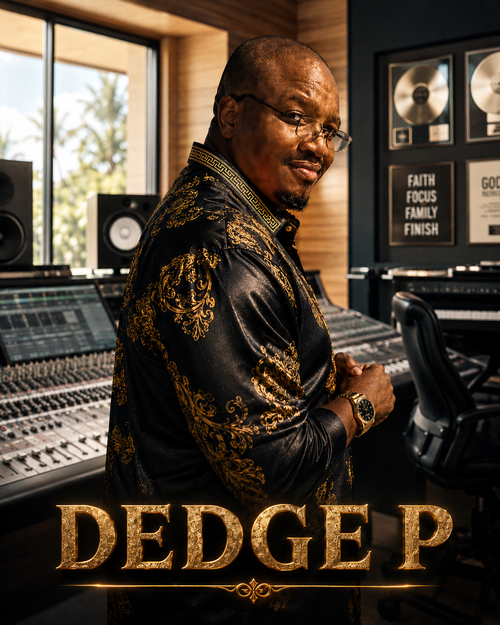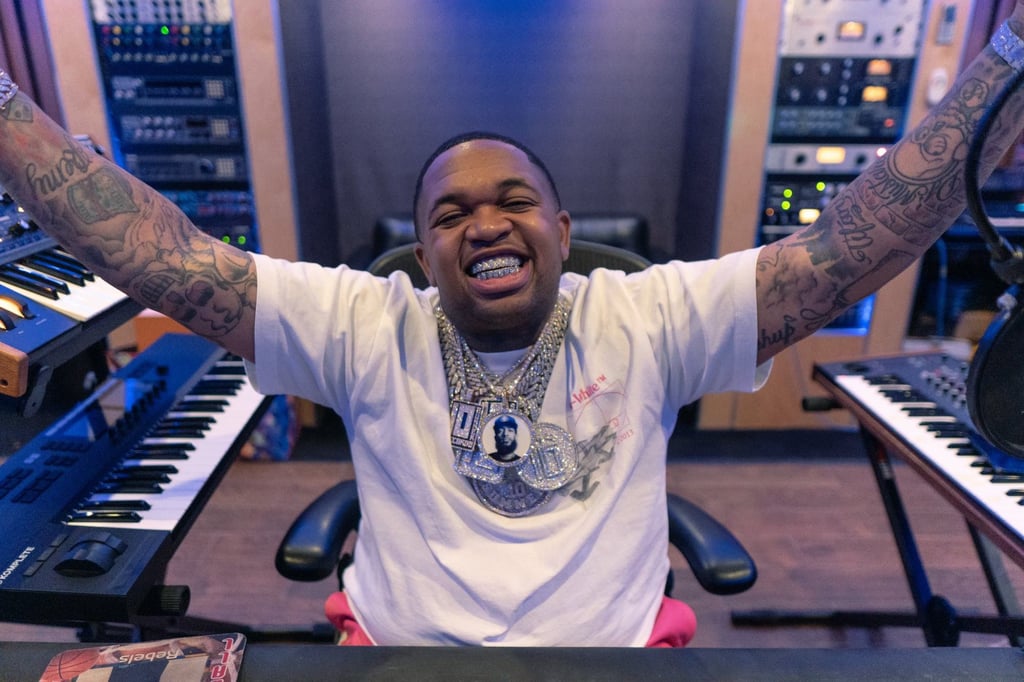
When people discuss hip-hop, the spotlight usually falls on rappers.
Hit songs, memorable lyrics, public personalities and chart-topping albums naturally place performing artists at the center of the conversation.
Behind nearly every defining era of West Coast rap, however, stands another creative force:
The producer.
California hip-hop producers have repeatedly changed how rap records sound, move and feel. From electro-influenced drum programming and funk-heavy bass lines to melodic synthesizers, live instrumentation, experimental sampling and modern digital production, the state’s beatmakers have consistently pushed hip-hop forward.
Their influence extends far beyond California.
Production ideas developed in Los Angeles, the Bay Area, Sacramento, San Diego and surrounding communities have reached artists and audiences throughout the United States and across international music markets.
In many ways, producers are the architects of hip-hop.
They establish the emotional environment.
They determine the rhythm.
They shape the space surrounding the vocals.
They build the sonic foundation that allows artists to tell their stories.
California continues producing influential beatmakers because the state combines musical diversity, recording infrastructure, independent culture, regional identity and a willingness to experiment.
Key Takeaways
- California producers draw from funk, soul, jazz, rock, Latin music, gospel, electronic music and regional hip-hop traditions.
- Los Angeles, the Bay Area, Sacramento, San Diego and the Inland Empire contribute different production identities.
- Live musicianship remains important even as digital audio workstations dominate modern beatmaking.
- California’s film, television, gaming and advertising industries create additional opportunities for producers.
- Home studios have lowered entry costs and allowed more independent producers to compete professionally.
- Long-term artist-producer relationships often establish the most recognizable musical identities.
- Sampling remains important, but professional releases require accurate clearance and documentation.
- Modern producers increasingly operate as engineers, educators, content creators and business owners.
- Artificial intelligence may assist production workflows, but authorship, judgment and cultural understanding remain human responsibilities.
Producers Are the Architects of the Record
A producer does far more than supply a beat.
Depending on the project, the producer may help determine:
- Tempo
- Key
- Chord progression
- Drum selection
- Bass movement
- Instrumentation
- Song structure
- Vocal arrangement
- Transitions
- Overall emotional direction
The producer creates the environment in which the artist performs.
An aggressive drum pattern may encourage sharper delivery.
A slower arrangement may create space for detailed storytelling.
Warm instrumentation may invite vulnerability.
Sparse production may make every word feel more exposed.
Great producers understand that the beat should not compete with the artist unnecessarily.
It should reveal the strongest version of the performance.
California’s most influential producers do not simply make beats. They build complete environments in which artists can establish identity.
Production Determines Regional Identity
Regional hip-hop movements are often recognized through production before listeners identify every lyric.
Drum patterns, bass lines, synthesizers, samples and tempo choices can immediately suggest a particular city or era.
California producers helped establish several sounds associated with West Coast hip-hop, but the state has never depended on one permanent formula.
Its production history includes:
- Electro-influenced drum programming
- Funk-based sampling
- G-funk synthesizers
- Live bass and keyboards
- Dark Northern California mobb production
- High-energy hyphy rhythms
- Jazz-influenced arrangements
- Minimal modern Los Angeles beats
- Melodic and genre-blending production
This range prevents West Coast music from becoming creatively static.
California Has Always Embraced Musical Diversity
One reason California continues producing exceptional hip-hop producers is its cultural and musical diversity.
The state’s communities contain influences from across the United States, Latin America, Asia, Africa, the Caribbean and other regions.
Producers may grow up hearing several genres within the same household or neighborhood.
A beatmaker might encounter:
- Funk
- Soul
- Jazz
- Rock
- Gospel
- Regional Mexican music
- Salsa
- Reggae
- Electronic music
- Film scores
Those influences appear through harmony, rhythm, percussion, instrumentation and sampling.
A producer does not need to reproduce an entire genre to be shaped by it.
A chord voicing, drum texture or bass movement may reflect years of listening to music outside hip-hop.
Funk Created a Durable Foundation
Funk became one of the most important musical foundations for West Coast hip-hop.
Its bass lines, synthesizers, live drums, guitar rhythms and vocal textures gave producers material that worked naturally with rap.
California producers transformed those influences rather than simply preserving them unchanged.
They slowed records down.
They isolated drum breaks.
They replayed melodies.
They created new bass lines around familiar harmonic ideas.
This process helped establish music that felt connected to Black musical history while belonging clearly to a new generation.
Jazz Expanded Harmonic Possibilities
Jazz influenced California production through chord structure, improvisation, live instrumentation and sample selection.
Producers used jazz records to create reflective, complex or atmospheric hip-hop.
The influence also encouraged collaboration with instrumentalists who could add movement beyond programmed loops.
Jazz-based production demonstrated that rap music could contain sophisticated harmony without losing rhythmic impact.
Latin Music Added Rhythmic and Cultural Depth
California’s Latino communities influenced hip-hop production through percussion, melody, instrumentation and regional identity.
Producers may draw from Latin funk, Chicano soul, salsa, regional Mexican music or other traditions without making every influence explicit.
These musical connections reflect the state’s real cultural environment.
They also allow West Coast production to communicate California identity through more than one established rap sound.
Electronic Music Encouraged Experimentation
California’s electronic and club-music scenes contributed drum-machine techniques, synthesizer programming and sound-design ideas.
Early West Coast rap frequently interacted with electro, while later producers absorbed techniques from house, techno and experimental electronic music.
Digital sound design remains important because producers increasingly create original textures rather than depending entirely on conventional instrument presets.
The Legacy of Live Instrumentation
Digital production dominates modern workflows, but California producers have long valued live musicianship.
Bassists, keyboardists, guitarists, drummers and horn players contributed to numerous West Coast records.
Live instruments can add:
- Human timing
- Dynamic variation
- Harmonic movement
- Unique tone
- Improvisation
- Emotional texture
Even producers who work primarily inside digital audio workstations may bring musicians into a session to replay, expand or replace programmed parts.
Live Playing and Programming Work Together
Professional production does not require choosing between live musicians and digital tools.
Many of the strongest records combine both.
A producer may program drums, record live bass, layer synthesizers and edit the complete performance inside a digital workstation.
This hybrid approach offers precision without removing human expression.
Musicians Can Transform Simple Ideas
A producer may begin with a short chord progression or melody.
An experienced musician can introduce voicings, fills and transitions that make the idea feel complete.
Collaboration with instrumentalists also gives producers access to sounds that are difficult to reproduce convincingly through software alone.
Every California Region Contributes Something Different
California is not one music community.
Its major regions developed separate production identities, business traditions and creative networks.
Rather than competing to create one correct version of West Coast music, producers across the state contribute different approaches.
Los Angeles Provides Scale and Range
Los Angeles contains major recording facilities, independent studios, film scoring stages, music companies and a large concentration of artists.
This infrastructure allows producers to work across:
- Hip-hop
- R&B
- Pop
- Film
- Television
- Advertising
- Gaming
- Live performance
That range encourages technical versatility.
A producer may create a street record in one session and compose visual-media music in another.
The Bay Area Emphasizes Regional Innovation
Bay Area producers developed several recognizable styles without relying entirely on Los Angeles trends.
Northern California production has included dark mobb music, funk-based street records, experimental underground beats and high-energy hyphy rhythms.
The region’s independent business culture also influenced how producers distributed and marketed their work.
Sacramento Supports Storytelling
Sacramento production frequently creates space for detailed street narratives and lyrical performances.
Darker chords, deliberate tempos and restrained arrangements can support artists whose writing depends on atmosphere and clarity.
The city’s sound remains connected to Northern California while retaining its own identity.
San Diego Adds Border and Coastal Influence
San Diego producers work within a region shaped by border culture, coastal life and proximity to Los Angeles without being absorbed entirely into it.
This position creates opportunities for musical exchange while preserving separate local perspectives.
The Inland Empire Continues Developing Talent
Riverside, San Bernardino and surrounding communities benefit from access to Southern California’s entertainment economy while supporting lower-cost home studios and independent networks.
Producers can develop away from the pressure of major commercial facilities and later connect with Los Angeles artists, engineers and labels.
Home Studios Changed Who Could Participate
Professional recording facilities remain valuable, but many influential beats now begin in bedrooms, garages and spare rooms.
Affordable computers, audio interfaces, software and controllers lowered the technical barrier to entry.
A developing producer can now create professional work with equipment that would have been inaccessible to earlier generations.
This shift expanded opportunity across California.
Talent Matters More Than Expensive Equipment
High-quality tools can improve workflow, but equipment does not create taste.
A producer still needs:
- Rhythmic judgment
- Arrangement skill
- Sound selection
- Musical understanding
- Editing ability
- Communication
- Consistency
A simple studio used by a skilled producer can create stronger records than an expensive facility operated without direction.
Acoustic Treatment Still Matters
Home studios create access, but inaccurate rooms can mislead producers.
Bass may appear stronger or weaker than it actually is.
Reflections may affect vocal recordings.
Basic acoustic treatment, reliable monitoring and reference listening improve decision-making.
Professional production requires understanding the limitations of the room.
The Car Test Remains Important
Many West Coast producers evaluate records inside vehicles because cars remain major listening environments.
A beat that sounds balanced through studio monitors may reveal problems on the road.
Producers listen for:
- Kick impact
- Bass definition
- Vocal space
- High-frequency harshness
- Overall energy
The goal is translation across several systems rather than perfection on one set of speakers.
Sampling Remains a Creative Foundation
Sampling continues playing an important role in hip-hop production.
California producers have repeatedly demonstrated how older recordings can inspire new musical ideas.
Sampling may involve:
- Isolating a drum break
- Rearranging a melodic phrase
- Pitching and reversing audio
- Chopping vocals
- Layering several sources
- Replaying an inspired composition
The strongest sampling transforms the source rather than relying only on recognition.
Sampling Encourages Musical Research
Producers who sample often study older catalogs across funk, soul, jazz, rock, gospel and international music.
This research expands musical knowledge.
It can also introduce younger listeners to artists and genres they may not have discovered otherwise.
Samples Require Legal Clearance
Creative transformation does not eliminate copyright responsibility.
Commercial releases may require permission from the owners of the original composition and sound recording.
Uncleared samples can lead to:
- Release delays
- Takedowns
- Royalty claims
- Litigation
- Lost licensing opportunities
Producers and artists should identify sampled material before distribution.
Interpolation Is Not Automatically Free
Replaying a melody may avoid use of the original recording, but the underlying composition can remain protected.
Interpolation may still require publishing clearance.
Professional teams should not assume that replaying a sample eliminates every legal obligation.
Producers Shape Artist Identity
An artist’s sound is rarely created alone.
Long-term producer relationships can establish consistency across singles, albums and performances.
A producer who understands an artist’s strengths can create music that complements:
- Vocal tone
- Writing style
- Emotional range
- Regional identity
- Performance ability
- Audience expectations
That understanding develops over time.
Trust Allows Greater Experimentation
Artists are more likely to attempt unfamiliar ideas with producers they trust.
A producer may encourage a different tempo, melody or subject without making the artist feel disconnected from their identity.
Strong creative relationships create space for risk.
Consistency Does Not Mean Repetition
A producer can help an artist maintain a recognizable identity without recreating the same beat repeatedly.
Continuity may come from drum texture, chord language, vocal treatment or emotional tone rather than one formula.
The goal is recognition without stagnation.
Producers Are Building Complete Creative Brands
Today’s producers often operate as more than beatmakers.
Many build businesses involving:
- Beat licensing
- Custom production
- Recording
- Mixing
- Sample libraries
- Drum kits
- Online education
- Livestreaming
- Content creation
- Publishing
This expansion reflects the modern independent music economy.
Content Can Demonstrate Expertise
Production videos, livestreams and tutorials allow beatmakers to show their process.
Useful content can attract artists, students and customers while establishing professional authority.
However, constant content production should not replace making music.
The producer’s catalog remains the foundation of credibility.
Sample Libraries Create Scalable Products
A custom production session usually generates income once.
A professionally created sample library can reach several customers.
Producers should use clear licensing terms explaining how sounds may be used and whether royalty obligations exist.
Education Can Strengthen the Community
Experienced producers can teach younger creators about arrangement, recording, contracts and professional conduct.
Education becomes especially valuable when it preserves regional production history rather than presenting beatmaking as software operation alone.
Collaboration Has Become Easier Than Ever
Modern technology allows producers and artists to exchange sessions across California almost immediately.
A producer in Los Angeles can begin a beat, send stems to Oakland, receive live instrumentation from San Diego and complete the final mix with an engineer in Sacramento.
Cloud-based workflows have made geographic distance less restrictive.
Remote Sessions Require Organization
Professional file delivery should include:
- Clearly named stems
- Tempo and key information
- Sample-rate details
- Dry and processed vocals
- Reference mixes
- Version numbers
- Accurate credits
Technology makes collaboration possible.
Organization makes it efficient.
Producers Need Professional Agreements
Creative relationships should be supported by written terms.
Producer agreements may address:
- Upfront fees
- Producer royalties
- Publishing percentages
- Master ownership
- Credit language
- Sample responsibility
- Delivery requirements
Written agreements protect both the producer and artist.
Beat Leasing and Exclusive Rights Are Different
A nonexclusive beat license may allow several artists to use the same production under stated limits.
An exclusive agreement may transfer broader rights to one buyer.
Producers must explain the difference clearly.
Artists should read license terms before recording and distributing music.
Publishing Should Be Documented Early
Producers who contribute original composition may own part of the songwriting.
Split sheets should identify legal names, publishing entities, performance-rights organizations and ownership percentages.
Waiting until a song succeeds creates unnecessary conflict.
California’s Entertainment Economy Creates Additional Opportunities
Producers in California can work beyond conventional album releases.
The state’s film, television, advertising and gaming industries create demand for music and sound.
Opportunities may include:
- Synchronization licensing
- Original scoring
- Trailer music
- Commercial production
- Podcast music
- Game soundtracks
- Brand campaigns
This broader market encourages producers to develop versatile skills.
Instrumental Catalogs Can Generate Long-Term Value
Producers benefit from organizing instrumental versions, stems and metadata.
A record unsuitable for one artist may later fit a film, advertisement or another performer.
Catalog management turns unused material into potential intellectual property.
Artificial Intelligence Will Not Replace Creativity
Artificial intelligence has become part of music-production workflows and industry debate.
AI tools may assist with:
- Audio cleanup
- Transcription
- File organization
- Stem separation
- Sound experimentation
- Editing
Those functions can improve efficiency.
They do not replace cultural understanding, judgment or lived experience.
Authorship Must Remain Clear
Producers should understand how AI-generated material was created and whether the training data or outputs carry licensing restrictions.
Using voice models or imitating identifiable artists without permission creates ethical and legal concerns.
Professional workflows require consent and disclosure.
Human Judgment Determines Meaning
Software may generate musical possibilities.
A producer decides which idea supports the artist, culture and story.
Selection, restraint and emotional timing remain human creative responsibilities.
Great production is not defined by the number of available sounds.
It is defined by choosing the right sound at the right moment.
Lessons for Independent Producers
- Develop a recognizable sound: Technical ability becomes more valuable when connected to identity.
- Study music beyond hip-hop: Broader influences create stronger harmonic and rhythmic options.
- Learn arrangement: A complete record requires more than an eight-bar loop.
- Organize files: Professional stems, credits and versions build trust.
- Use written agreements: Fees, royalties and publishing should not depend on memory.
- Protect samples: Identify and clear protected material before release.
- Build relationships: Long-term artist development can create more value than isolated beat sales.
- Preserve ownership: Catalogs, sessions and metadata are business assets.
Arrangement Separates Beats From Records
A strong loop may attract an artist.
A complete arrangement keeps the listener engaged.
Producers should develop introductions, verses, hooks, breakdowns, transitions and endings that support the performance.
Sound Selection Matters More Than Quantity
Adding more instruments does not automatically improve production.
Each sound should serve a purpose.
Space gives vocals room to communicate.
Restraint often creates greater impact than constant layering.
Relationships Build Careers
Artists return to producers who communicate clearly, deliver professional files and understand their goals.
Reliability becomes part of the producer’s brand.
One strong relationship can generate an album, touring opportunities and future collaborations.
Visual Search and Image SEO Opportunities
Original studio photography can strengthen the article’s search and editorial value.
Recommended image information includes:
- Descriptive filenames
- Accurate alternative text
- Contextual captions
- Producer and photographer credits
- Verified studio location when appropriate
- Responsive dimensions
- Modern compression
A filename such as california-hip-hop-producer-recording-studio.webp provides more context than a generic camera filename.
Original Studio Coverage Builds Authority
Backstage can develop additional topical authority through original features involving:
- Producer profiles
- Studio tours
- Beat breakdowns
- Artist-producer partnerships
- Regional production histories
- Home-studio development
- Sampling and licensing education
- Women in California music production
Original reporting provides greater editorial value than generic production summaries.
Looking Ahead
California producers continue proving that innovation and tradition can exist together.
They study the music established by earlier generations while adopting new software, hardware and distribution systems.
Home studios will continue creating access.
Commercial facilities will remain valuable for specialized recording and collaboration.
Artificial intelligence will affect workflow.
Live musicianship will continue adding human movement.
Sampling will remain creatively important while requiring professional clearance.
The tools will change.
The producer’s responsibility will remain:
Create music that gives artists a distinct world in which to perform.
Why California Continues Producing Influential Hip-Hop Producers
California continues producing influential hip-hop producers because the state combines musical diversity, regional identity, technology and creative infrastructure.
Los Angeles provides access to major studios and entertainment industries.
The Bay Area contributes independent business culture and rhythmic innovation.
Sacramento, San Diego and the Inland Empire add separate regional perspectives.
Home studios allow new producers to develop without waiting for institutional approval.
Live musicians, engineers and artists create professional networks capable of transforming simple ideas into complete records.
Most importantly, California producers continue treating change as an opportunity.
They do not need every generation to sound identical.
They preserve the principles behind West Coast production—strong identity, musicality, bass, experimentation and collaboration—while creating sounds suited to contemporary artists.
The next era of California rap may sound different from the last.
Somewhere inside a bedroom, commercial studio or converted garage, another producer is already creating the rhythm that could define it.
Frequently Asked Questions
Why does California produce so many influential hip-hop producers?
California combines musical diversity, regional scenes, recording infrastructure, entertainment-industry access and a strong independent culture that encourages experimentation.
What defines West Coast hip-hop production?
West Coast production has included electro drums, funk samples, melodic synthesizers, live instrumentation, heavy bass, mobb music, hyphy rhythms and modern genre-blending arrangements.
Which California regions have distinct production styles?
Los Angeles, the Bay Area, Sacramento, San Diego and the Inland Empire contribute different production traditions, business cultures and artist networks.
Can professional hip-hop production be created in a home studio?
Yes. Modern software and affordable equipment allow producers to create professional music at home, although monitoring, room acoustics, skill and file organization remain important.
Why is live instrumentation important in West Coast production?
Live bass, keyboards, guitars, drums and horns can add human timing, texture, improvisation and musical movement to digitally produced records.
Do producers own songwriting percentages?
Producers may own part of the underlying composition when they contribute original musical elements. Ownership should be documented through split sheets and written agreements.
Do samples need to be cleared?
Commercially released samples may require permission from the owners of the original recording and composition. Replayed interpolations may still require publishing clearance.
Will artificial intelligence replace hip-hop producers?
AI may assist editing, organization and experimentation, but it cannot replace cultural understanding, emotional judgment, authorship and the collaborative relationships behind influential production.