Every song imaginable is available with a few taps on a smartphone. Millions of tracks can be streamed instantly, playlists update automatically and new releases reach listeners around the world within seconds.
So why are vinyl records making a comeback and attracting longtime collectors, younger listeners and independent artists during the streaming era?
The answer goes beyond nostalgia.
Vinyl has become more than a physical music format. It represents a different way of experiencing albums, artwork and artist identity. In an era dominated by convenience, records encourage listeners to slow down, appreciate complete projects and reconnect with the ritual of intentional listening.
For longtime collectors and younger fans discovering physical media for the first time, vinyl offers something Spotify, Apple Music, YouTube and other digital platforms cannot fully replace.
Key Takeaways
- Vinyl encourages listeners to experience albums as complete artistic works instead of isolated songs.
- Physical records create stronger connections through artwork, packaging, liner notes and collectibility.
- Independent artists and record labels can use limited pressings to generate revenue and deepen fan support.
- Record stores continue to function as cultural spaces for music discovery and community building.
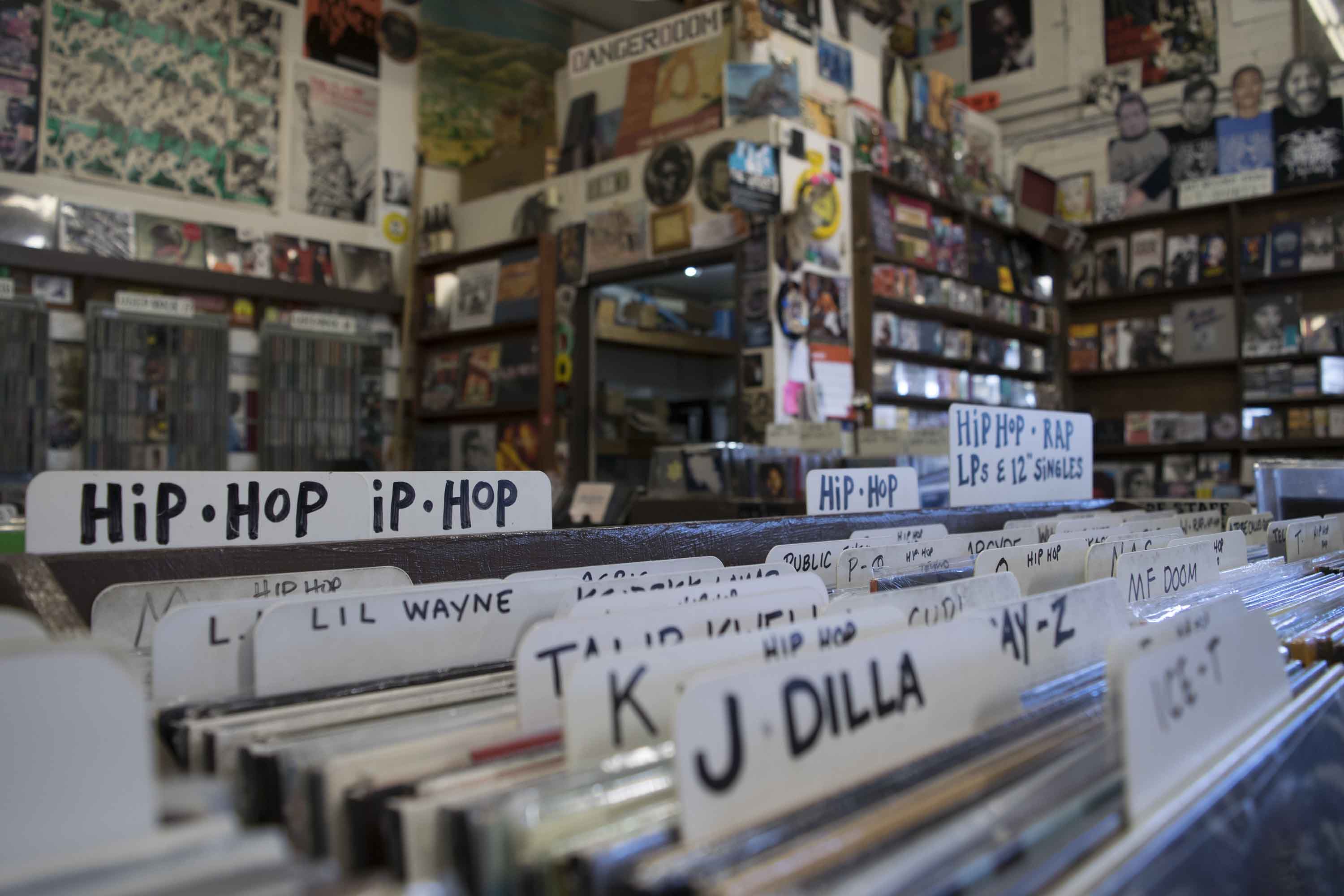
- Vinyl remains closely connected to hip-hop through DJ culture, sampling and crate digging.
- Streaming and vinyl increasingly complement each other rather than compete directly.
The Album Experience Still Matters
Streaming has changed the way many people consume music.
Instead of listening to complete albums, audiences often move between playlists, singles, short-form clips and algorithm-driven recommendations. That convenience makes discovery easier, but it can also make music feel temporary or disposable.
Vinyl encourages a different approach.
Listeners place a record on the turntable, lower the needle and experience the album in a deliberate sequence. Every track becomes part of a larger story rather than existing only as an isolated piece of content.
The listener must also physically interact with the format by selecting a record, turning it over and returning it to its sleeve. Those small actions create a level of attention that passive streaming does not always require.
That intentional album experience remains one of vinyl's greatest strengths.
Vinyl does not compete with streaming on convenience. It offers value through attention, ownership, ritual and a deeper connection to the complete album.
Collecting Music Creates a Personal Connection
Owning a physical record creates a connection that digital files and temporary access rarely provide.
Album artwork, liner notes, lyric sheets, production credits, photographs and packaging become part of the listening experience. A physical edition can communicate details about an artist and project that are difficult to notice on a small streaming screen.
Many collectors remember where they purchased each record, who introduced them to an artist or what period of life a particular album represents.
A vinyl collection becomes a personal archive of musical memories, cultural influences and changing tastes.
That sense of ownership also changes how listeners value music. A saved album can disappear from a platform or become unavailable because of licensing changes, but a record remains part of the listener's permanent collection.
Album Artwork Deserves to Be Seen
Few music formats showcase visual design like a 12-inch record sleeve.
Photographers, illustrators, creative directors and graphic designers have long used album covers as visual canvases that extend the identity of the music inside.
Large-format artwork allows fans to appreciate typography, photography, illustration, credits and design details that often disappear on a phone screen.
Gatefold packaging, printed inserts, colored vinyl and custom sleeves can also transform a release into a complete visual object rather than a single digital thumbnail.
For many artists, album artwork remains an important part of the overall creative vision and brand narrative.
Independent Artists Are Embracing Vinyl
Vinyl is no longer reserved for major-label superstars.
Independent artists and independent record labels increasingly release limited-edition pressings as a way to connect with dedicated supporters and create additional value around an album or EP.
Small production runs can create exclusivity while giving fans an opportunity to own something tangible from an artist they admire.
For independent musicians, vinyl can also represent an additional revenue stream beyond streaming royalties. A supporter may stream an album repeatedly while also purchasing a physical edition, concert ticket or piece of merchandise.
Physical releases can be especially effective when they include exclusive artwork, alternate covers, signed inserts, numbered editions, bonus tracks or other details unavailable on streaming platforms.
However, vinyl production requires careful planning. Manufacturing costs, minimum quantities, packaging, shipping and fulfillment must be considered before an independent artist announces a pressing.
Direct Fan Support Gives Vinyl Additional Value
Buying vinyl can function as a direct form of support.
Streaming allows audiences to discover and repeatedly listen to music, while a physical purchase gives dedicated fans another way to contribute to an artist's career.
This is particularly meaningful for independent artists who rely on multiple revenue sources instead of a single traditional record deal.
Vinyl sales can support future recording sessions, music videos, marketing campaigns, touring expenses and additional physical releases.
The value is therefore both emotional and economic: fans receive a collectible object, while artists gain revenue and evidence of deeper audience commitment.
Record Stores Continue to Build Communities
Independent record stores have experienced renewed interest alongside vinyl's resurgence.
These shops offer more than products.
They create spaces where music lovers discover new artists, attend listening events, exchange recommendations and support local creative communities.
Browsing shelves often leads to unexpected discoveries that recommendation algorithms might never suggest. A listener may enter the store searching for one album and leave with a record from an unfamiliar artist, genre or era.
Store employees and other collectors can also provide context, stories and recommendations that feel more personal than automated suggestions.
Record Store Day and similar events have further increased attention around independent shops, exclusive releases and physical music culture.
That element of surprise and human interaction keeps many collectors coming back.
Hip-Hop's Relationship With Vinyl Runs Deep
Long before streaming existed, vinyl played a central role in hip-hop culture.
DJs built their reputations through record collections, crate digging and discovering rare breaks that could be transformed into entirely new songs.
Early hip-hop performances depended on turntables, mixers and records. DJs extended instrumental sections, isolated drum breaks and combined recordings in ways that helped establish the creative foundation of the culture.
Sampling later preserved and recontextualized elements of jazz, funk, soul, rock and R&B recordings while introducing younger generations to music they may never have encountered otherwise.
Vinyl also shaped the competitive culture surrounding DJs. Knowledge, timing, technical skill and access to unusual records could distinguish one DJ from another.
Even today, vinyl remains closely connected to hip-hop's creative foundation, whether artists are releasing collectible pressings or producers are searching for source material and sonic inspiration.
Sound Quality Starts Conversations
The debate between analog and digital audio has existed for years.
Some listeners prefer vinyl's warmth, surface character and physical playback process, while others appreciate the precision, portability and consistency of digital formats.
Vinyl playback can vary depending on the pressing, mastering, turntable, cartridge, speakers and condition of the record. Digital playback also varies based on file quality, streaming settings, headphones and audio equipment.
For that reason, broad claims that one format always sounds better than the other are difficult to defend.
Ultimately, personal preference matters more than technical arguments.
What remains clear is that many listeners value the immersive experience vinyl encourages, regardless of whether their preference is based on sound, ritual, collectibility or all three.
Limited Editions Create Lasting Value
Collectors appreciate rarity.
Colored vinyl, numbered editions, deluxe packaging, alternate covers and exclusive artwork often become highly sought-after releases.
These special editions give fans another reason to support artists directly while adding uniqueness to their collections.
Unlike digital streams, limited physical releases can become keepsakes associated with a specific album era, concert, anniversary or stage of an artist's career.
Some records may also increase in resale value, although financial appreciation is never guaranteed. The most dependable value remains the personal and cultural meaning the record holds for its owner.
Physical Media Is Finding a New Generation
Many younger listeners grew up without regularly owning CDs, cassettes or records.
For them, vinyl represents an entirely new experience rather than a nostalgic return to the past.
Buying a record introduces music as a physical object instead of simply data stored in the cloud. The process includes selecting an edition, studying the artwork, handling the record and creating a dedicated listening environment.
Social media has also made collecting more visible. Fans share record shelves, turntable setups, rare editions and new purchases through photos and videos, creating online communities around a traditionally physical format.
That combination of novelty, identity and community has helped fuel vinyl's appeal among younger audiences.
Vinyl Strengthens Artist Identity
A physical record can also reinforce an artist's visual identity and creative world.
The format provides room for photography, typography, credits, storytelling and packaging decisions that communicate more than a standard streaming profile can display.
Artists can use consistent visual themes across album covers, vinyl variants, music videos, promotional photography and live performances to create a more recognizable campaign.
For independent musicians, this can strengthen brand recognition and give fans a clearer understanding of the artist's personality, influences and creative direction.
Streaming and Vinyl Serve Different Purposes
Streaming remains the fastest and most convenient way to discover, share and access music.
Vinyl serves a different purpose.
Listeners may use streaming throughout the day, add songs to playlists and explore unfamiliar artists without making an immediate purchase. Once they develop a stronger connection to a project, they may buy a physical edition as a sign of support and long-term interest.
This creates a modern discovery cycle:
- A listener discovers a song through streaming, social media, radio, a playlist or a recommendation.
- The listener explores the artist's catalog and follows the artist online.
- A deeper connection develops through repeated listening, videos, interviews or live performances.
- The listener purchases a vinyl edition or another physical product.
- The physical release strengthens the listener's long-term relationship with the artist.
Rather than replacing streaming, vinyl can deepen the connection that streaming begins.
The Future of Vinyl
Streaming will remain the primary way most people discover and consume music.
Vinyl is unlikely to replace that convenience, and its continued growth will depend on manufacturing capacity, pricing, demand and the ability of artists and labels to create releases worth owning.
Instead, the two formats increasingly complement each other.
Listeners discover artists online, stream their favorite songs daily and purchase vinyl editions from musicians they genuinely want to support.
Independent artists can benefit most when physical releases are connected to a larger strategy involving strong artwork, accurate credits, direct fan communication, live events, email lists and consistent storytelling.
As artists continue releasing meaningful physical editions and collectors continue valuing the experience of owning music, vinyl appears positioned to remain an important part of music culture for years to come.
Why the Vinyl Resurgence Matters
The return of vinyl demonstrates that convenience is not the only value listeners seek from music.
Audiences also value ownership, ritual, design, history, community and direct relationships with artists.
For musicians and independent labels, physical media provides an opportunity to turn an album into a broader cultural object rather than allowing it to exist only as a collection of digital files.
For listeners, vinyl creates a reason to pause, pay attention and experience music with intention.
That combination of modern discovery and physical ownership explains why vinyl records continue to thrive in the streaming era.
Frequently Asked Questions
Why are vinyl records becoming popular again?
Vinyl records are becoming popular again because they offer physical ownership, large-format artwork, collectibility and a more intentional album-listening experience than streaming alone.
Are younger listeners buying vinyl records?
Yes. Many younger listeners view vinyl as a new physical experience rather than a nostalgic format. Social media, special editions and interest in music collecting have also increased its appeal.
Does vinyl sound better than streaming?
Sound quality depends on mastering, pressing quality, playback equipment and personal preference. Some listeners prefer vinyl's analog character, while others prefer the accuracy and convenience of digital audio.
Why do independent artists release vinyl?
Independent artists release vinyl to generate direct revenue, strengthen fan relationships, expand album artwork and offer collectible editions that provide more value than a digital stream alone.
How is vinyl connected to hip-hop culture?
Vinyl is central to hip-hop history through DJing, turntablism, crate digging, breakbeats and sampling. DJs and producers used records to create many of the techniques that defined early hip-hop.
Will vinyl replace music streaming?
No. Streaming and vinyl serve different purposes. Streaming provides convenient discovery and daily listening, while vinyl provides ownership, collectibility and a deeper physical connection to an album.